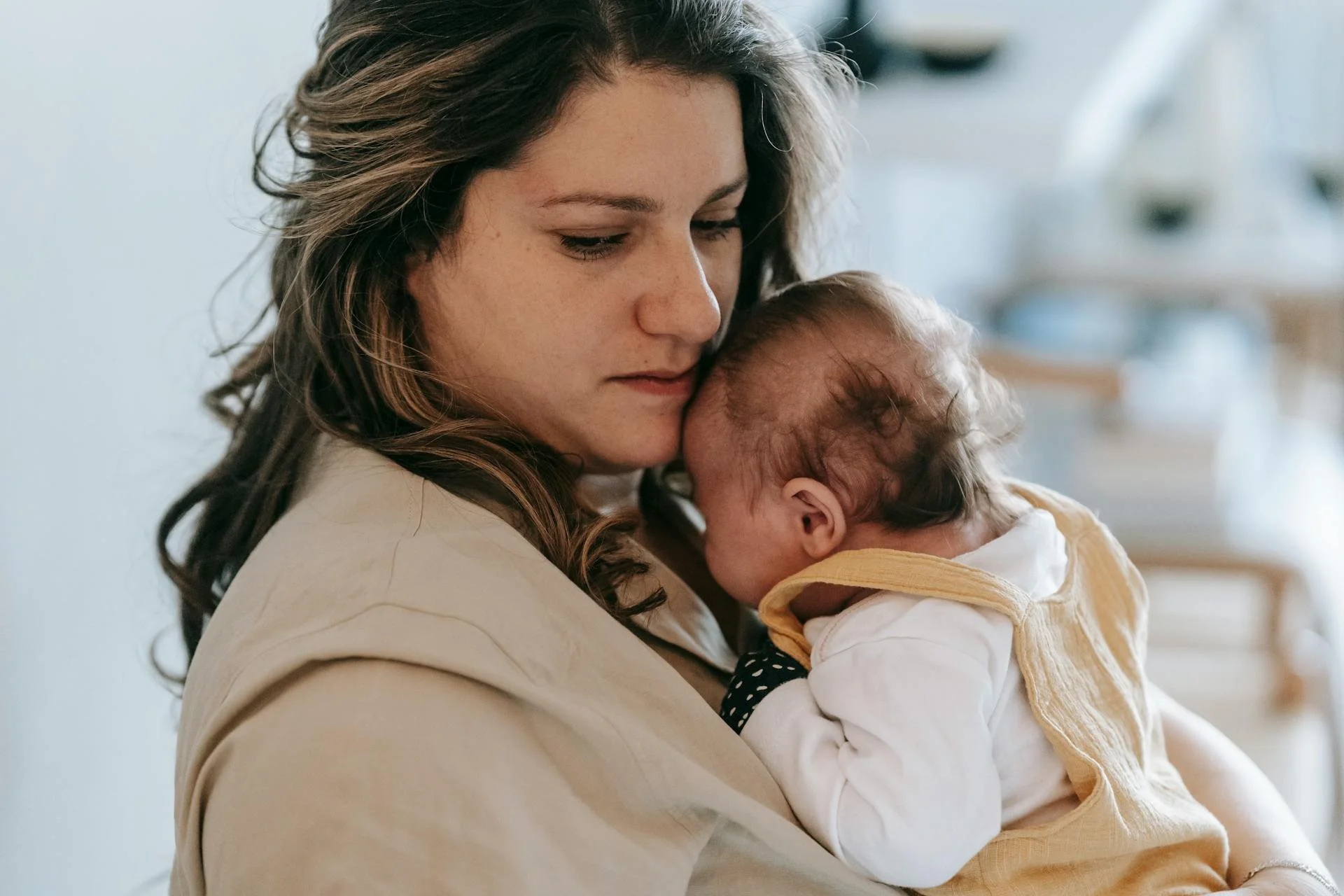
Understanding Postpartum Depression and When to Seek Help
Postpartum emotions can feel like a roller coaster. One moment you may be staring at your baby with love, and the next you might feel like crying in the bathroom so no one can see.

Understanding The Role Of A Postpartum Counselor And What They Offer
Postpartum life is not always what people expect. Some moments bring joy or connection, and others can feel heavy, off balance, or confusing.

Struggling With New Parent Stress How Postpartum Therapy Supports Daily Life
Becoming a parent changes a lot at once. There’s the excitement of new beginnings, but also a quiet exhaustion that doesn’t always get named.


A Mindful Moment
Use this gentle posture helps release tension in the neck, shoulders, and back while activating the parasympathetic (“rest and digest”) system — inviting the body to slow down, soften, and feel safe. Read more and follow along through a simple forward fold exercise.

Understanding Trauma Therapy After Childbirth And What It Does
Bringing a baby into the world can be beautiful, but it can also come with emotional weight most people don’t talk about.


Exploring Sex Therapy Options To Rekindle Your Connection
Feeling distant this time of year? Sex therapy in Chicago helps couples rebuild connection through honesty, comfort, and slower communication.




What Does It Mean to Nurture?
There’s a dichotomy in maternal nurturing. Mothers are often incredible nurturers; they are attuned, selfless and often intuitive to their baby’s needs. Research shows that nurturing is deeply wired into the maternal brain. When a mother hears her baby cry there’s a hormonally-driven neural response that triggers the release of oxytocin and lights up regions of the brain tied to empathy and caregiving. This biological response explains why mothers are so acutely skilled at nurturing others, and perhaps the reason they stop nurturing themselves.






'Tis the Season for Stress: Transform Stressed to Blessed This Holiday Season
There's an invisible workload that falls disproportionately on mothers during the holidays. You're often the one coordinating schedules, preparing meals, buying gifts, managing family dynamics, and trying to make the season magical, all while likely still doing your regular job and parenting duties. The emotional labor alone makes the most wonderful time of year feel not-so-wonderful. It's the perfect winter storm for burnout.